
Most business owners looking at a lease deal focus on the number they can see: the advertised rental rate. That number can be misleading. Two properties in the same Denver submarket, same size, similar location, and the one with the lower rent can easily end up costing $10,000 to $15,000 more per year once you understand how the lease is actually structured. That difference comes down to one question most tenants never ask: is this lease NNN or Gross?

Colorado Cleanup Services Restores More Than Properties—They Restore Peace of Mind
One of the best parts of my work is getting to know great business owners who become more than clients they become trusted friends. Colorado Cleanup Services is one of those companies.
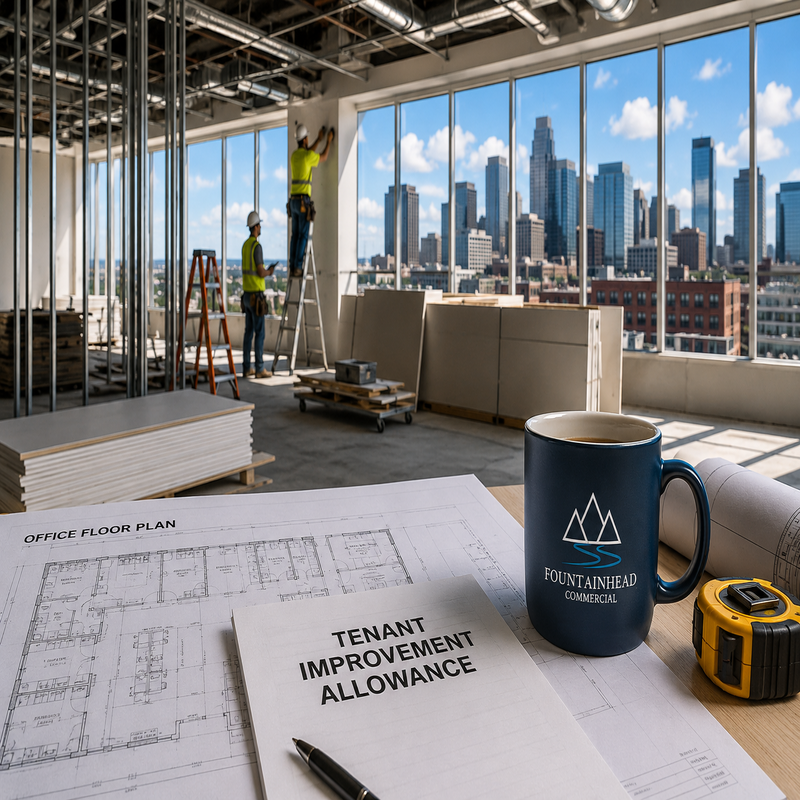
Tenant Improvement Allowance Explained: What Commercial Tenants Need to Know A landlord offers you a $500,000 tenant improvement allowance. Sounds generous. But whether that number is actually generous depends entirely on what it costs to make the space work for your business. That gap between the allowance and your real construction budget is one of the most commonly misunderstood parts of a commercial lease, and one of the most expensive surprises for business owners who do not see it coming.

Fountainhead Commercial is excited to welcome Energy Dome to Colorado from Italy!
Lowrey Burnett, CCIM, recently completed an Office Tenant Representation lease transaction at a Class A property in downtown Boulder, Colorado, on behalf of Energy Dome.
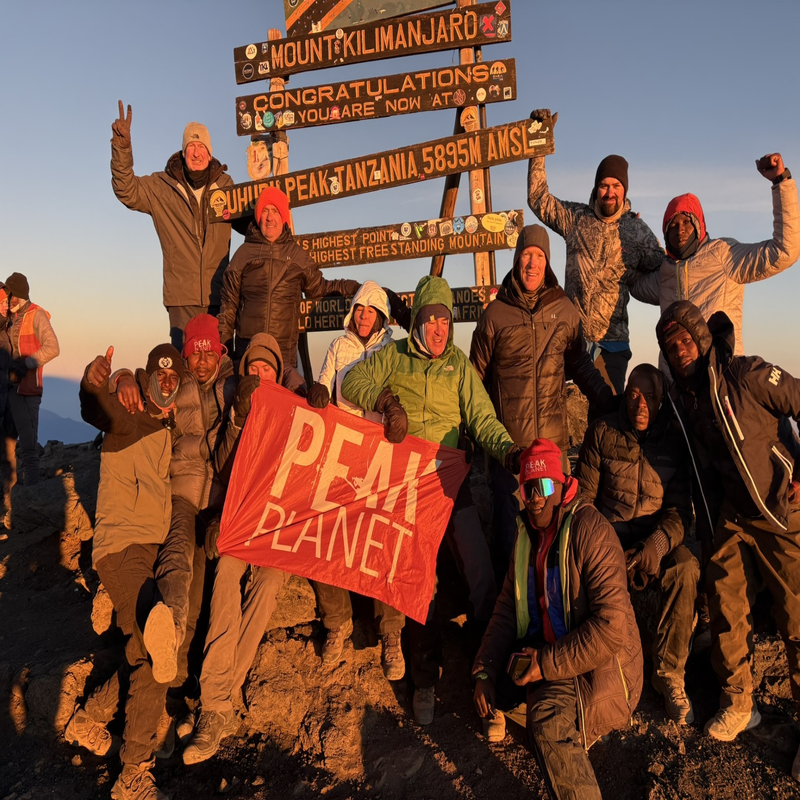
Eight days that changed me.
It started, like a lot of the best things in life do, as a conversation between two people.
A wild idea. Wouldn't it be something to climb Kilimanjaro? The tallest mountain in Africa, the tallest free-standing mountain in the world, 19,341 feet of dream sitting on the far side of the planet. It could have stayed exactly that, a conversation. But the idea caught fire. Two of us became three, then five, then seven, as friends and neighbors heard the plan and decided they couldn't stand the thought of missing it. By the time we boarded our flights on August 5, 2026, we were a team of seven ordinary people chasing a decidedly un-ordinary goal: Todd Schrader, who dreamed the whole thing up, Acer and Sage Rogers, Dawn McCombs, Gary Garcia, my neighbor Scott Organ, and me.

For many business owners, the expiration date on a commercial lease feels like a deadline that is still far enough away to ignore. After all, running a business demands attention every day. Customers need to be served, employees need leadership, and operations rarely slow down. Commercial real estate often gets pushed to the bottom of the priority list until the lease is only a few months from ending.
Unfortunately, waiting too long can become one of the most expensive mistakes a business owner makes.

720.837.9407
Denver, CO